Choosing patio door blinds for shallow window recesses
Patio doors let in plenty of light and open up a room, but they also create a challenge when it comes to blinds. The recess around a patio door is often shallow, sometimes just a few centimetres deep, which limits the types of blinds that can fit neatly inside the frame. A standard blind designed for a deeper recess may stick out too far, block the door handle or catch on the glass panel when the door slides or swings. Understanding how recess depth affects your options helps you pick a blind that works with your door rather than against it.
What a shallow recess means for patio door blinds
A window recess is the space between the wall and the window or door frame. For patio doors, this recess is usually shallower than for standard windows because the door frame sits close to the wall. A shallow recess is typically less than 50 millimetres deep. This tight space means there is not enough room for a standard blind cassette or headrail to sit fully inside the recess without protruding into the room. If the blind sticks out too far, it can interfere with the door handle, hit the glass when the door opens or simply look awkward. The solution is to choose a blind style that fits a shallow depth or to mount the blind outside the recess on the wall or ceiling.
Roller blinds: a slim option that works well
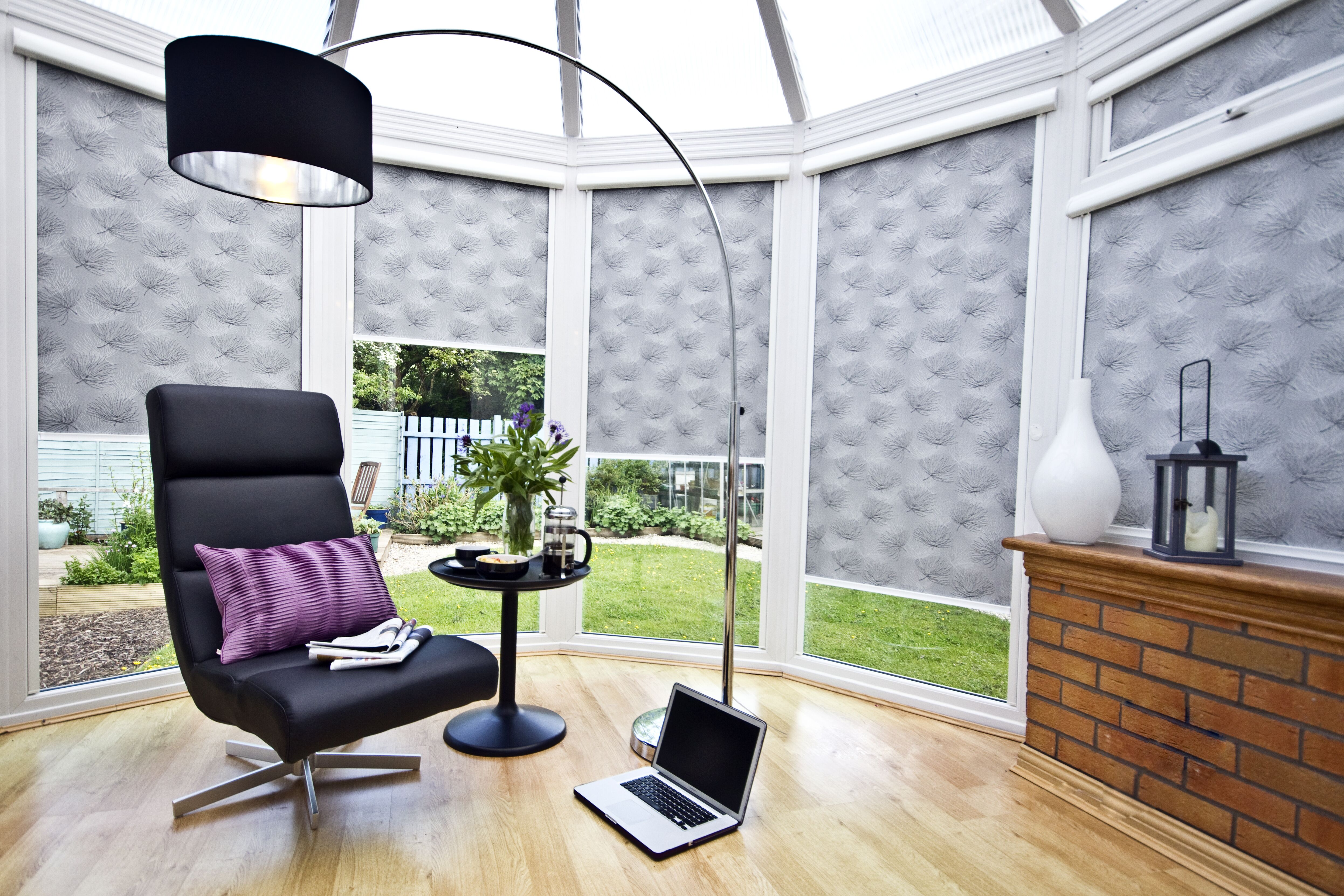
Roller blinds are a popular choice for patio doors because they offer a clean, minimal look. Many roller blind mechanisms are designed with compact headrails that can fit into a shallow recess. A cassette-style roller blind, where the fabric rolls into a neat tube, usually requires a recess depth of around 60 millimetres or more. But there are slimline roller blinds with smaller cassettes that can work in recesses as shallow as 40 millimetres. If your recess is even shallower than that, you can opt for a roller blind without a cassette, where the fabric rolls onto a simple tube and the mechanism is exposed. This type is less tidy but takes up less depth. The main trade-off is that an exposed roller may collect dust more easily and does not have the same polished look as a cassette version.
Vertical blinds: a classic fit for sliding doors
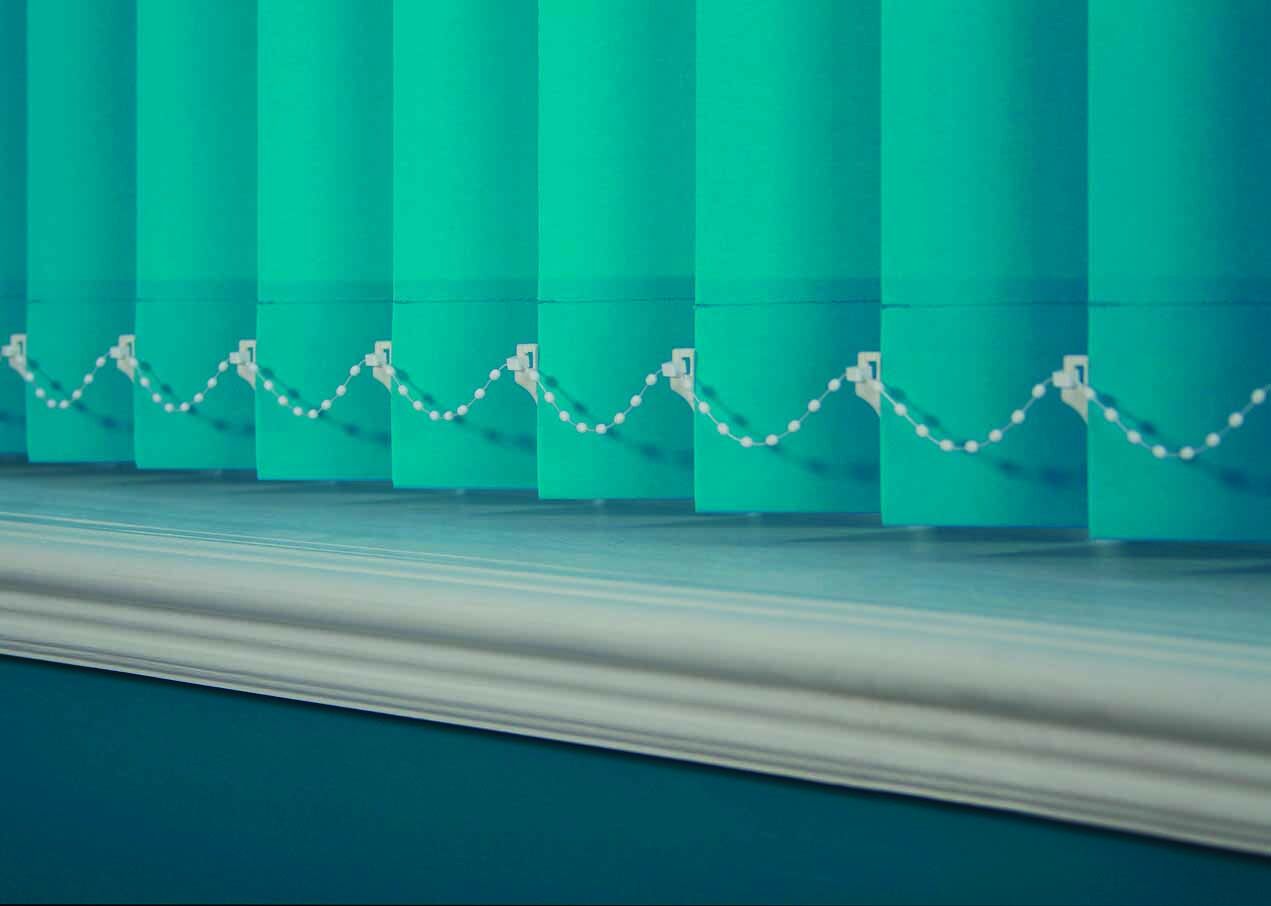
Vertical blinds have long been a standard choice for patio doors, especially sliding doors. The headrail for vertical blinds is relatively slim, often around 30 to 40 millimetres deep, which makes it suitable for shallow recesses. The slats hang down from the headrail and can be drawn to one side, allowing clear access to the door. Because the headrail is narrow, it usually fits inside a shallow recess without blocking the door handle or interfering with the glass. One thing to watch for is the length of the slats. If the blind is mounted inside the recess, the slats need to clear the floor or the door frame when they are drawn back. A professional installation can adjust the track length and the number of slats to suit your specific door size. The main disadvantage of vertical blinds is that the slats can flap in a breeze or become tangled if the door is opened and closed frequently. Modern designs with weight chains at the bottom of each slat help reduce this problem.
Pleated blinds: compact and versatile
Pleated blinds are another good option for shallow recesses. The fabric is folded into neat pleats and the blind operates with a cord or a spring mechanism. The top rail of a pleated blind is very slim, often less than 20 millimetres deep, which means it can fit into even the shallowest recess. Pleated blinds are available in a range of fabrics, from translucent to blackout, so you can control light and privacy as needed. They work well on both sliding and French doors. One practical detail to consider is that pleated blinds can be fitted with a side channel to keep the fabric in place when the door is open. This is especially useful on French doors where the blind needs to stay flat against the glass. The downside is that pleated blinds can be harder to clean than roller or vertical blinds because the pleats trap dust.
Roman blinds: stylish but need careful measuring
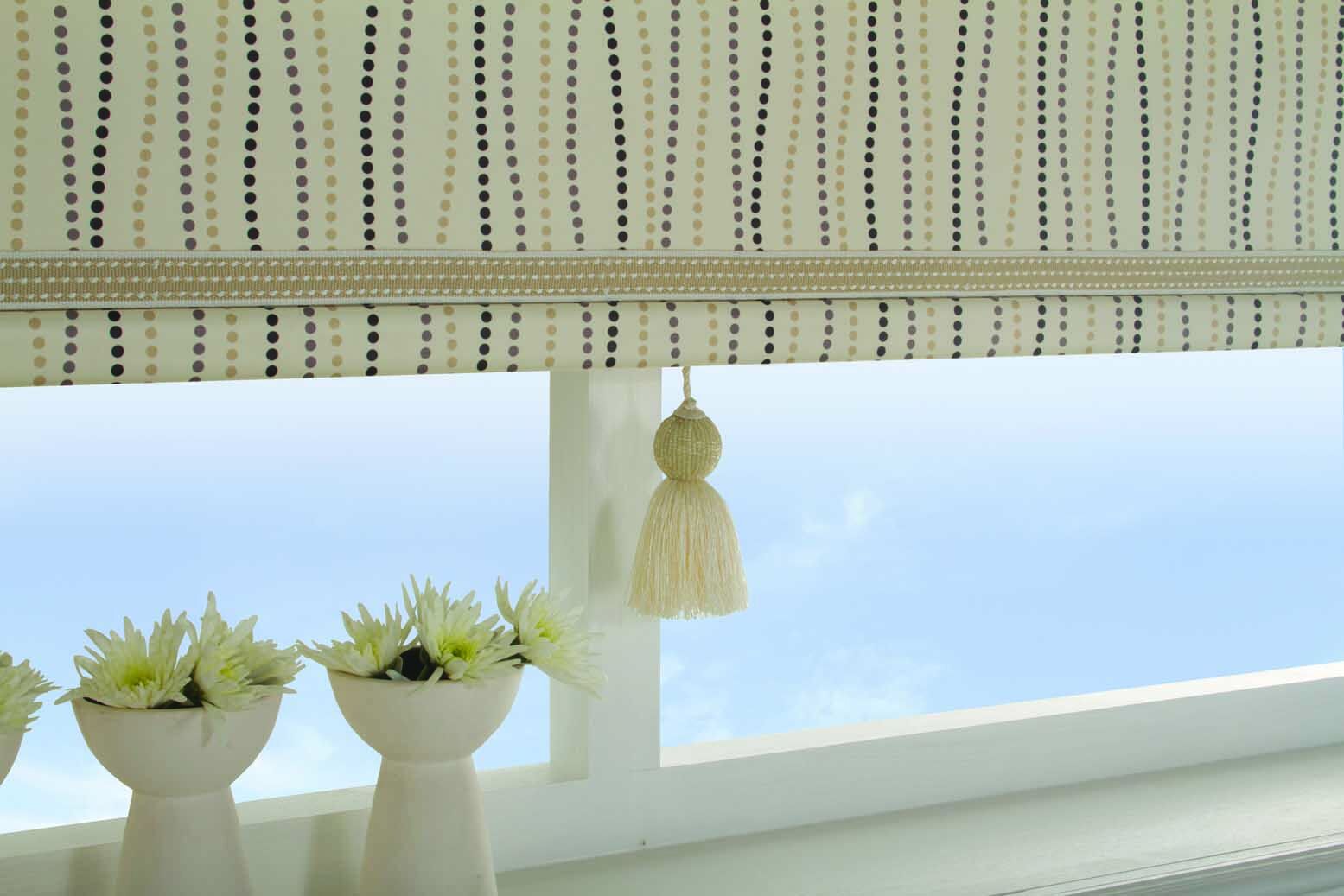
Roman blinds fold into soft horizontal pleats when raised. They offer a more decorative look than roller or vertical blinds. However, the headrail for a Roman blind is usually deeper because it houses the cord system and the folded fabric. A typical Roman blind headrail is around 40 to 60 millimetres deep, which may be too bulky for a very shallow recess. If your recess is only 30 millimetres deep, a Roman blind mounted inside the recess will likely protrude. You can still use a Roman blind on a patio door by mounting it on the wall above the door frame rather than inside the recess. This outside mount gives you more flexibility with the fabric and style, but it means the blind sits in front of the door rather than inside the frame. When the blind is fully raised, the folds will hang down a little, so you need enough clearance above the door to avoid blocking the handle.
Considerations for French doors and bi-fold doors
French doors and bi-fold doors present their own challenges. French doors open inward or outward, and the handles typically protrude from the frame. A blind mounted inside the recess must sit clear of the handle when the door is closed. For inward-opening French doors, the blind needs to be mounted on the door itself or on the wall above. A door-mounted blind, such as a pleated or roller blind fixed directly to the door panel, can be a neat solution. Bi-fold doors fold in sections, so a single wide blind may not work well. Instead, you can fit individual blinds on each door panel or use a top-mounted track that allows the blind to slide across the full width of the opening. The key is to measure each door panel separately and account for any gap between sections.
How to measure your recess depth
Before choosing a blind, measure the depth of your recess accurately. Use a tape measure to check the distance from the back of the recess to the front edge of the frame. Take readings at several points because the recess may not be perfectly even. If the depth varies, use the shallowest measurement to decide which blind style will fit. Also measure the width and height of the opening. For sliding doors, note whether the door slides to the left or right. For French doors, check which door opens first. These details affect how the blind will be installed and how it will operate. If the recess is very shallow, say under 30 millimetres, you may need to mount the blind on the wall or ceiling above the door. That changes the measurement process, because you need to allow for the blind to clear the door frame and handle when it is fully raised.
Mounting options: inside vs outside the recess
Inside mount means the blind sits within the window recess. This gives a neat, built-in look but requires enough depth for the blind mechanism. Outside mount means the blind is fixed to the wall or ceiling above the door frame. This is a good option when the recess is too shallow or when you want to make a small window look larger. An outside mount also allows you to use a wider range of blind styles, including Roman blinds and larger roller blinds. The trade-off is that an outside mount takes up wall space and may block some light around the edges of the door. In some rooms, the blind may also interfere with curtain tracks or other window treatments. For patio doors, an outside mount is often the simplest solution if the recess is under 40 millimetres deep.
Custom coverings for large glazing
Patio doors are a form of large glazing, and finding the right blind for them often means looking at custom coverings for large glazing. Made-to-measure blinds are ideal because they are cut exactly to your door's dimensions and can be specified with a slim headrail that fits a shallow recess. Off-the-shelf blinds may not offer the same flexibility and often have standard headrail sizes that are too deep. With a made-to-measure blind, you can choose the fabric, the control side and the mounting option that suits your door. Many companies offer free measuring guides or professional measuring services to ensure the blind fits perfectly. When ordering a custom blind, always provide the recess depth and whether you want an inside or outside mount. A good supplier will confirm which blind styles are compatible with your measurements.
Practical tips for a smooth installation
Once you have chosen a blind style and measured the recess, think about how the blind will be operated. Patio doors are used frequently, so the control mechanism should be easy to reach. For sliding doors, a cord or chain on the side of the door you open is more convenient than a control in the middle. For French doors, a cord that hangs down from the top may get in the way when the door is opened. A wand control or a motorised blind can solve this. Motorised blinds are especially useful for hard-to-reach patio doors, such as those behind furniture or in a sunroom. They can be operated with a remote, a wall switch or even a smartphone app. The installation of a motorised blind usually requires a nearby power source or a battery compartment, so check that the recess or wall can accommodate this.
What to avoid with shallow recesses
Some blind styles are not well suited to shallow recesses. Venetian blinds, for example, have a headrail that is relatively deep and also require space for the slats to tilt. In a shallow recess, the slats may hit the glass when tilted. Panel track blinds, which slide on a track like vertical blinds but with wide fabric panels, also need a deeper headrail and track system. If you really want a Venetian or panel track blind, plan to mount it outside the recess. Another common mistake is choosing a blind that is too wide for the recess. The blind must sit inside the frame without rubbing against the door handle or the glass. Always leave a small gap, usually 5 to 10 millimetres, between the blind and the glass to allow for movement and air circulation.
Balancing light, privacy and practicality
Patio door blinds need to balance several functions. You want to control the amount of light entering the room, maintain privacy when the door is closed and still be able to open and close the door easily. A shallow recess limits your options but does not prevent you from achieving all three. Roller and pleated blinds offer good light control and privacy, especially with blackout or dim-out fabrics. Vertical blinds allow you to adjust the angle of the slats for privacy while still letting in some light. For rooms where you want maximum light when the blind is open, a roller blind that rolls up into a slim cassette or a pleated blind that stacks neatly at the top is a good choice. If you need the blind to disappear completely when open, consider an outside mount that sits above the door frame, so the fabric or slats are not visible.
Custom coverings for large glazing made simple
For many homeowners, the easiest route is to order custom coverings for large glazing from a specialist supplier who understands the constraints of shallow recesses. A made-to-measure blind takes the guesswork out of fitting and ensures a clean, professional result. When you talk to a supplier, mention that your recess is shallow and ask which of their products can fit that depth. Most blind manufacturers offer slimline versions of their popular styles precisely to meet this need. The extra effort of measuring carefully and choosing a suitable blind style pays off in a blind that operates smoothly, looks good and lasts for years.